
03 Mar Migraine Sufferers Need This Vitamin
Migraine Sufferers Need This Vitamin
by Ashleigh Feltham, Accredited Practising Dietitian and Accredited Nutritionist.
Migraine sufferers and those close to them know how debilitating they can be. There are ways to manage migraines, the best one, of course, being preventative lifestyle strategies. One of these preventative strategies is diet.
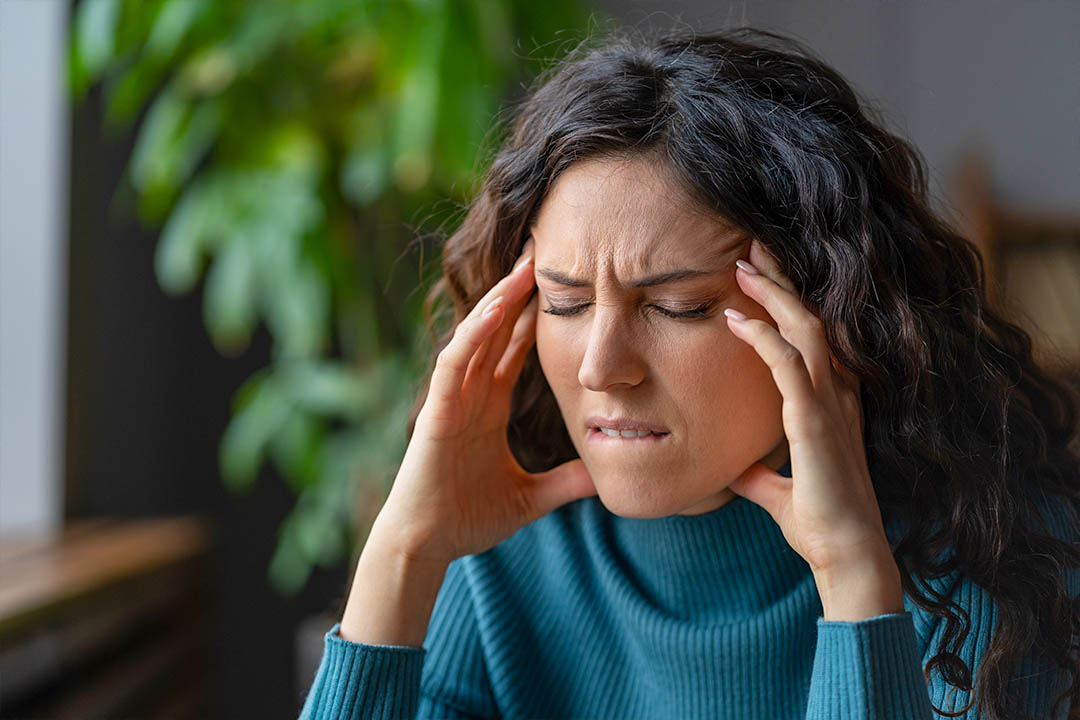
Migraines are a neurological condition causing intense, throbbing or pulsing pain, usually localised on one side of the head. Some migraines begin with an “aura”, others sneak up unannounced. Common symptoms include nausea, vomiting and increased sensitivity to light and sound. Migraine episodes persist for several hours to days and can severely impact daily life.
Past research inadequately presented a link between vitamin C and migraines. However, new research demonstrates a potential link between vitamin C and risk of migraine occurrence. There were 4,101 participants, and of this population 17.1% suffered from migraines.
Exciting results support previous research findings that vitamin C has a linear inverse relationship with migraine occurrence. In other words, the higher the vitamin C intake, the lower the occurence of migraines. These findings have no significant interactions in different groups of people and results are consistent across all groups.
Before you head for the supplement aisle, remember that a food-first approach is always best. Your body absorbs real food sources better than a supplement, and there are always multiple health benefits to real, natural food.
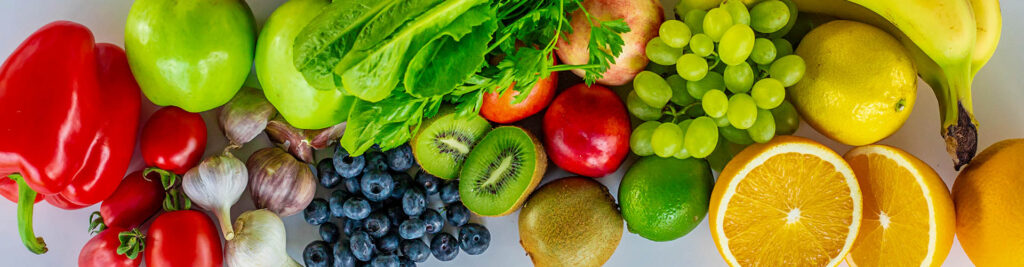
Vitamin C is a water-soluble vitamin found in good amounts in fruit and vegetables and is one of the many reasons to meet your serves of this food group each day. Consuming above the needs of your body is not necessary. Bear in mind that mega doses of vitamin C may increase your risk of developing stomach cramps, diarrhea and nausea.
For adults, the recommended daily intake for vitamin C is 90mg for men and 75mg for women. No upper limit has been established, so aim for 1,000 mg/day up to a maximum of 2,000mg/day. Any excess will be expelled in your urine.
The following, from the National Institute of Health, gives you an idea of how you can easily meet your daily vitamin C needs through your diet alone.
| Food | mg per serving | Percent (%) DV* |
| Red pepper, sweet, raw, ½ cup | 95 | 106 |
| Orange juice, ¾ cup | 93 | 103 |
| Orange, 1 medium | 70 | 78 |
| Grapefruit juice, ¾ cup | 70 | 78 |
| Kiwifruit, 1 medium | 64 | 71 |
| Green pepper, sweet, raw, ½ cup | 60 | 67 |
| Broccoli, cooked, ½ cup | 51 | 57 |
| Strawberries, fresh, sliced, ½ cup | 49 | 54 |
| Brussels sprouts, cooked, ½ cup | 48 | 53 |
| Grapefruit, ½ medium | 39 | 43 |
| Broccoli, raw, ½ cup | 39 | 43 |
| Tomato juice, ¾ cup | 33 | 37 |
| Cantaloupe, ½ cup | 29 | 32 |
| Cabbage, cooked, ½ cup | 28 | 31 |
| Cauliflower, raw, ½ cup | 26 | 29 |
| Potato, baked, 1 medium | 17 | 19 |
| Tomato, raw, 1 medium | 17 | 19 |
| Spinach, cooked, ½ cup | 9 | 10 |
| Green peas, frozen, cooked, ½ cup | 8 | 9 |
| * Daily value | ||
You can see that eating a diverse and balanced variety of fruit and vegetables helps you to easily meet your daily needs for vitamin C. Whole foods have many other health benefits, which would help your brain function at its best, including antioxidants and phytonutrients.
The direct link from your brain to your gut, called the brain-gut axis, will also benefit. The fibre found in plant foods will help your gut microbiome to thrive and consequently have a positive impact on your brain health and function, as well as your immunity.
Take home message
A food-first approach always offers multiple benefits to your overall health. To reduce the frequency of migraines, make sure your diet is balanced and rich in vitamin C sources.
References:
- Migraine. Mayo Clinic.
- Zhao D, Long X, Wang J. Association between dietary vitamin C intake and migraine in adults: A cross-sectional study of the National Health and Nutrition Examination Survey. J Hum Nutr Diet. 2024 Sep 10. doi: 10.1111/jhn.13366. Epub ahead of print. PMID: 39257084.
- Chambial S, Dwivedi S, Shukla KK, John PJ, Sharma P. Vitamin C in disease prevention and cure: an overview. Indian J Clin Biochem. 2013 Oct;28(4):314-28. doi: 10.1007/s12291-013-0375-3. Epub 2013 Sep 1. PMID: 24426232; PMCID: PMC3783921.
- Ferraro PM, Curhan GC, Gambaro G, Taylor EN. Total, Dietary, and Supplemental Vitamin C Intake and Risk of Incident Kidney Stones. Am J Kidney Dis. 2016 Mar;67(3):400-7. doi: 10.1053/j.ajkd.2015.09.005. Epub 2015 Oct 14. PMID: 26463139; PMCID: PMC4769668.
- Worcester EM, Coe FL. Clinical practice. Calcium kidney stones. N Engl J Med. 2010 Sep 2;363(10):954-63. doi: 10.1056/NEJMcp1001011. PMID: 20818905; PMCID: PMC3192488.
- Vitamin C. Eat for Health
- Vitamin C Fact Sheet for Health Professionals. National Institute of Health Office of Dietary Supplements.