

22 Sep Nutrition for Neurodivergence – Working with Your Brain
Nutrition for Neurodivergence – Working with Your Brain
by Ashleigh Feltham, Accredited Practising Dietitian and Accredited Nutritionist.
Looking after your health and nutrition is important for everyone, but if you’re neurodivergent, “typical” advice often doesn’t fit. Whether you’re autistic, have ADHD, ARFID, sensory sensitivities or other neurodivergent traits, eating can feel complicated in ways most people don’t understand. It’s not about laziness or lack of willpower – it’s about your brain working differently.
This means nutrition support, meal planning and food variety need to work with your brain, not against it. The goal is practical, positive strategies that help you get the nutrients you need while respecting your sensory preferences, routines and energy levels.
Why Nutrition is Complicated for Neurodivergent Brains
Neurodivergent brains face unique challenges when it comes to eating:
- Executive function barriers – Remembering to eat, planning meals and cooking can feel overwhelming or impossible when daily life already demands so much attention.
- Sensory processing differences – Certain textures, smells, tastes or even the temperature of food can make eating stressful. “Safe foods” exist for a reason: they help regulate your nervous system and prevent sensory overload.
- Time blindness and hyperfocus – It’s easy to go hours without noticing hunger or to suddenly realise it’s late and you haven’t eaten.
- Energy budget and burnout – Cooking, cleaning, chopping or even chewing can feel like too many steps when your nervous system is already taxed.
These are not failures. They’re real, valid barriers that make conventional advice like “just eat more vegetables” or “try meal prepping” unrealistic.
Practical Nutrition Tips That Work
For neurodivergent people, the key to nutrition is reducing barriers and working with safe foods, not forcing variety or perfection.
- Repetition is valid – Eating the same meals every day is not a failure – it’s a system that reduces stress and decision fatigue.
- Convenience foods are legitimate nutrition – Frozen veg, pre-cut fruit, protein yoghurt and ready-to-eat soups are all valid options. Varieties like pumpkin, tomato and minestrone allow neurodivergent eaters to enjoy variety safely within a comfortable routine.
- Create ready-to-eat zones – If a meal requires too much preparation, it may never happen. Having pre-prepared or frozen options on hand ensures you can eat when your body needs it.
- Use timers and cues – Time blindness is common in ADHD and some autistic people. Setting alarms or using visual reminders to eat can make a huge difference.
- Stack habits – Attach eating to an existing routine, like a snack with your morning coffee, a smoothie during a work break or lunch when you sit down for a meeting.
- Add variety within safe limits – You don’t have to eat everything to eat well. You can gently expand your food repertoire in ways that feel safe and enjoyable:
- Try different brands of the same product
- Change textures (crispy vs soft, blended vs whole)
- Slightly modify flavour with herbs or spices. Even within “safe foods” you can slowly build variety without overwhelming your sensory system.
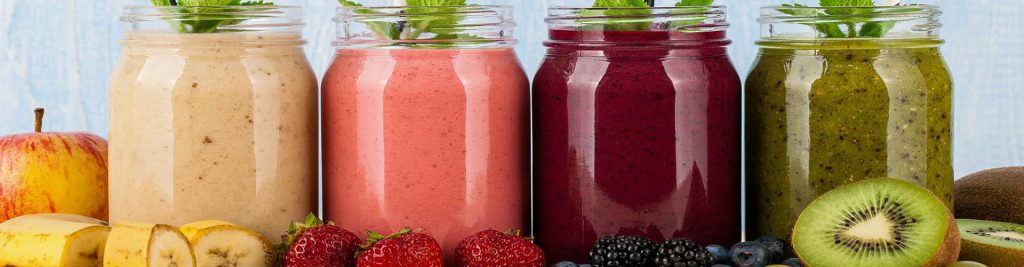
- Liquids count – Smoothies, flavoured milk, soups and oral nutrition supplements are all legitimate ways to get energy and nutrients when chewing or prep is difficult.
- Fuel first, perfection never – A pre-made soup or a cheese toastie is far more beneficial than an ideal salad you never make. Eating regularly is more important than eating perfectly.
How a Neurodivergent-Affirming Dietitian Can Help
A neurodivergent-affirming dietitian won’t shame you for safe food choices or force you to eat “everything.” They support practical, achievable strategies that fit your sensory, executive and energy needs.
They can help you:
- Respect your safe foods while expanding variety gradually
- Plan meals that reduce preparation and decision fatigue
- Make eating a positive experience rather than a stressful chore
- Ensure nutrient needs are met even with limited food preferences
- Incorporate convenient options like soups, smoothies or pre-prepared meals
With the right support, neurodivergent eaters can increase food variety safely, build consistent eating habits, and develop a more positive relationship with food — all without shame or pressure.
Why Diet Culture Doesn’t Work
Many diet trends, quick weight loss plans and “clean eating” suggestions are especially harmful for neurodivergent people. They often rely on rigid rules, perfection and self-criticism — all of which are incompatible with executive function challenges, sensory needs or atypical hunger signals.
Following these diets only causes stress, food anxiety, disordered patterns and nutrient deficiencies. Sustainable nutrition is about practical, achievable strategies that work in real life, not social media ideals.
Take home message
Nutrition for neurodivergent people is not about forcing change. It’s about removing barriers and creating a system where eating is achievable, nourishing and even enjoyable.
- Safe foods, routine meals and convenience options are not compromises — they are tools to support brain, body and energy.
- You can expand food variety within your own comfort zone without pressure, shame or stress.
- Repetition, ready-to-eat meals, stacked habits and liquid nutrition all count toward a consistent, positive approach to eating.
- Progress is about fuel, energy and wellbeing – not perfection or social ideals.
By acknowledging sensory preferences, energy limits and executive function differences, neurodivergent people can maintain consistent nutrition, gently increase food variety, and enjoy a more positive, sustainable relationship with food.